Industrial Floor Repair Systems
Industrial concrete slabs endure relentless physical stress. Forklift traffic, impact loads, and thermal shock inevitably cause surface wear. Addressing structural and surface damage early prevents operational downtime and prevents minor issues from escalating into major structural failures.
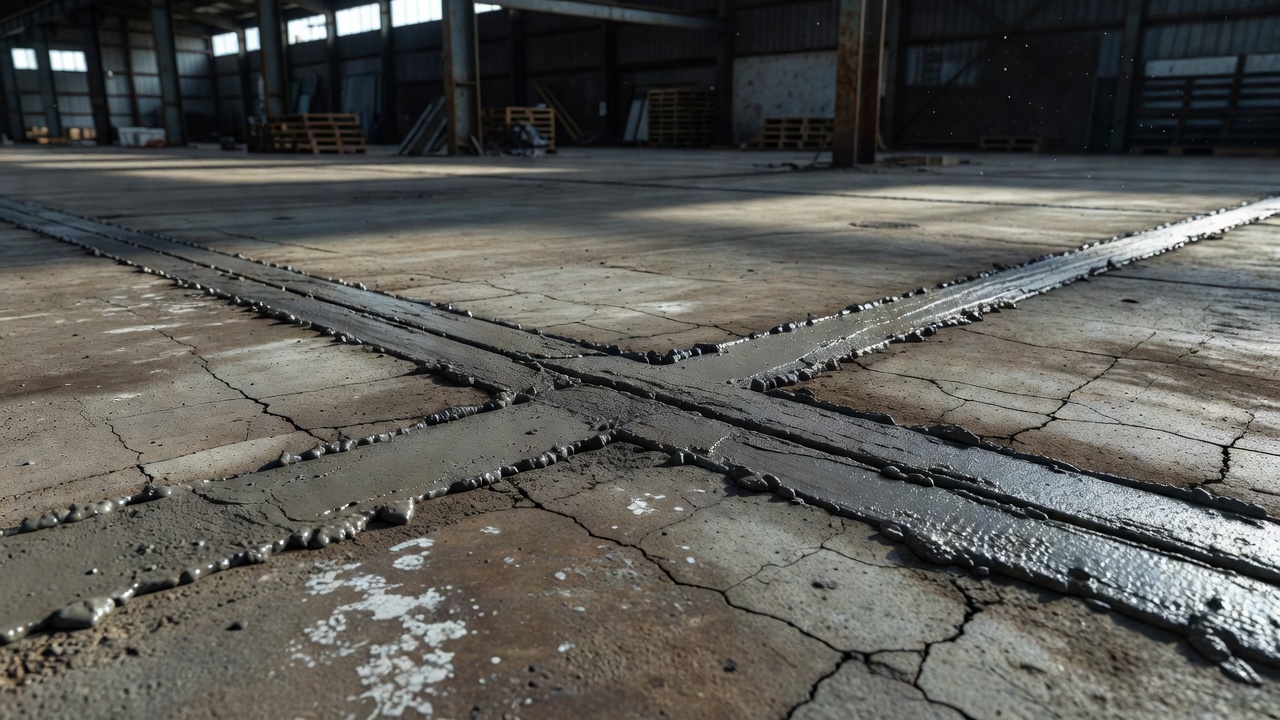
Common Types of Floor Damage
Understanding the specific type of concrete deterioration is the first step toward effective remediation. A repair is only as strong as its diagnosis.
Cracks and Fissures
Cracks can be static or dynamic. Static cracks (shrinkage cracks from the curing process) generally only require a rigid structural filler before coating. Dynamic cracks, which continue to move due to thermal expansion or ground settlement, require flexible joint sealants or specialized structural bridging techniques to prevent the crack from reflecting through new coatings.
Surface Spalling
Spalling occurs when the top layer of concrete flakes or chips away, exposing the rough aggregate beneath. This is frequently caused by impact damage from dropped heavy components, or by moisture penetrating the slab, freezing, and expanding. Left unaddressed, forklift tires will rapidly erode the edges of a spall, increasing its size exponentially.
Joint Deterioration
Expansion and control joints are designed to accommodate movement, making them the most vulnerable parts of a factory floor. Hard-wheeled pallet jacks constantly impacting unprotected joint edges lead to severe breakdown. Rebuilding joint nosing with heavy-duty mortars is critical for smooth material handling.
The Pre-Coating Repair Process
Applying an industrial coating over compromised concrete is a waste of resources. The substrate must be sound.
- Assessment: Identifying the root cause of the failure (e.g., moisture, chemical attack, load exceeding capacity).
- Excavation: Removing loose, friable concrete using mechanical chasing or chipping hammers back to a solid boundary.
- Priming: Applying an appropriate primer to ensure the repair mortar achieves maximum bond strength with the host concrete.
- Filling: Using epoxy or polyurethane mortars for high-strength, rapid-cure repairs.
Selection Considerations
The choice of repair material depends heavily on allowable cure times. While standard cementitious materials may take weeks to cure sufficiently to receive impermeable resin coatings, specialized epoxy mortars may allow for over-coating within 12 to 24 hours. Requirements vary based on facility operating schedules.
Long-term Repair Maintenance
Local repairs should be monitored. A repaired section altering the dynamic load distribution can sometimes cause stress in adjacent untreated areas. Routine visual inspection of heavily trafficked zones is recommended.
Need a floor assessment?
Our experienced team can evaluate your concrete slab and recommend appropriate repair methodologies.
Contact Us