Flooring Material Selection
Specifying the correct flooring material is a complex balance of operational requirements, budget, and facility downtime limits. A material highly suited for a dry assembly line may fail within months if installed in a wet chemical processing zone.
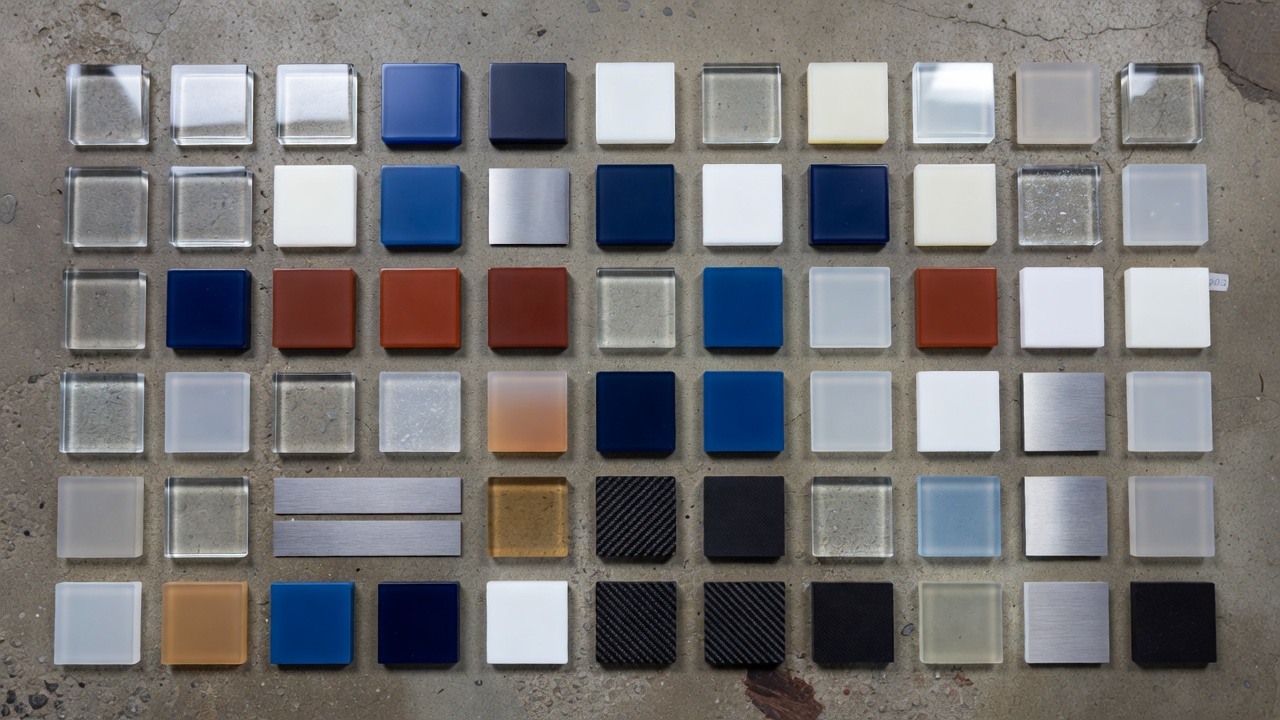
Understanding Resin Systems
Industrial flooring generally falls into a few broad material categories. While bare polished concrete serves well in light warehouses, protective resin systems are the standard for heavy manufacturing.
Epoxy-Type Systems
Epoxies are the workhorse of industrial flooring. They offer extremely high compressive strength, making them ideal for heavy-duty surfaces handling loaded forklifts and machinery. They bond tenaciously to prepared concrete and provide good resistance to alkalis and general oils.
Limitations: Standard epoxies are rigid. They do not handle structural movement or thermal shock well. They also tend to amber (yellow) when exposed to UV light, unless top-coated with an aliphatic urethane.
Polyurethane-Type Systems
Polyurethanes offer greater flexibility than epoxies. This flexibility gives them superior resistance to impact (dropped tools) and thermal shock. They are widely utilized in food and beverage processing, bakeries, and wet areas where floors are regularly subjected to hot water washdowns or steam cleaning.
Limitations: Polyurethane systems are typically more sensitive to moisture during the installation phase and require strict environmental controls to cure correctly.
Environment-Specific Variables
Material selection depends heavily on secondary environmental factors.
- Chemical Exposure: The specific pH, concentration, and temperature of chemicals dropped on the floor dictate whether a standard resin or a specialized novolac system is required.
- High-Traffic Zones: Main logistical arteries may require thick trowel-applied mortars rather than thin-film roller-applied coatings to withstand continuous abrasion.
- Cleaning Requirements: Facilities requiring harsh mechanical scrubbing need thicker, high-build systems to withstand the daily abrasion of cleaning pads.
Good For: Professional Assessment
Never rely solely on manufacturer data sheets, which present performance under controlled laboratory conditions. Real-world applications require assessing the exact condition of the host concrete, facility temperatures, and available installation windows.
Not sure which system you need?
Our technical team can evaluate your facility's specific stressors and recommend a suitable material specification.
Contact Us